
When designing a network communication Printed Circuit Board (PCB), it is crucial to consider several key factors to ensure optimal performance and reliability. This article discusses the precautions that should be taken during the PCB design process to achieve successful network communication.
1. Signal Integrity
Signal integrity plays a vital role in network communication PCB design. It refers to the quality of the electrical signals transmitted across the PCB. To maintain signal integrity, designers should consider the following:
Proper signal routing and impedance matching
Minimizing signal reflections and crosstalk
Using appropriate ground techniques
2. EMI and EMC Compliance
Electromagnetic Interference (EMI) and Electromagnetic Compatibility (EMC) are significant concerns in network communication PCBs. To ensure compliance, the following measures should be taken:
Implementing proper shielding techniques
Using EMI filters and transient voltage suppressors
Grounding and decoupling sensitive components
3. Thermal Management
Network communication PCBs often generate a considerable amount of heat. Effective thermal management is essential to ensure reliable operation. Consider the following thermal management techniques:
Strategic component placement and proper heat sink selection
Optimizing PCB layer stack-up for heat dissipation
Using thermal vias and conducting layers to reduce thermal resistance
4. Component Selection
Selecting the right components is critical for network communication PCBs. Consider the following factors when choosing components:
Reliability and quality of components
Suitability for the intended network communication protocol
Availability and long-term support
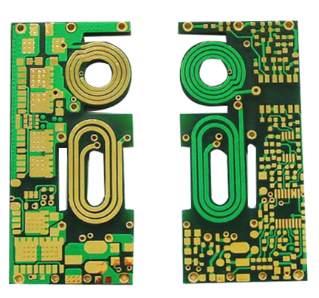
5. PCB Layout
The layout of the network communication PCB plays a significant role in overall performance and reliability. Consider the following tips for PCB layout:
Keep high-speed signal lines as short as possible
Separate high-speed and low-speed signals to minimize interference
Use proper ground and power planes to ensure signal integrity
6. Testing and Validation
Thorough testing and validation are crucial to ensure the functionality and reliability of a network communication PCB. Consider the following testing procedures:
Signal integrity testing using advanced tools such as Time-Domain Reflectometer (TDR)
EMI and EMC testing in compliance with relevant standards
Functional testing using actual network communication devices
Conclusion
Designing a network communication PCB requires careful planning and consideration of various factors to achieve optimal performance and reliability. By focusing on signal integrity, EMI/EMC compliance, thermal management, component selection, PCB layout, and testing/validation, designers can create robust and efficient network communication PCBs.
